Dental Emergenc Plano TX Care for Infections and Abscesses
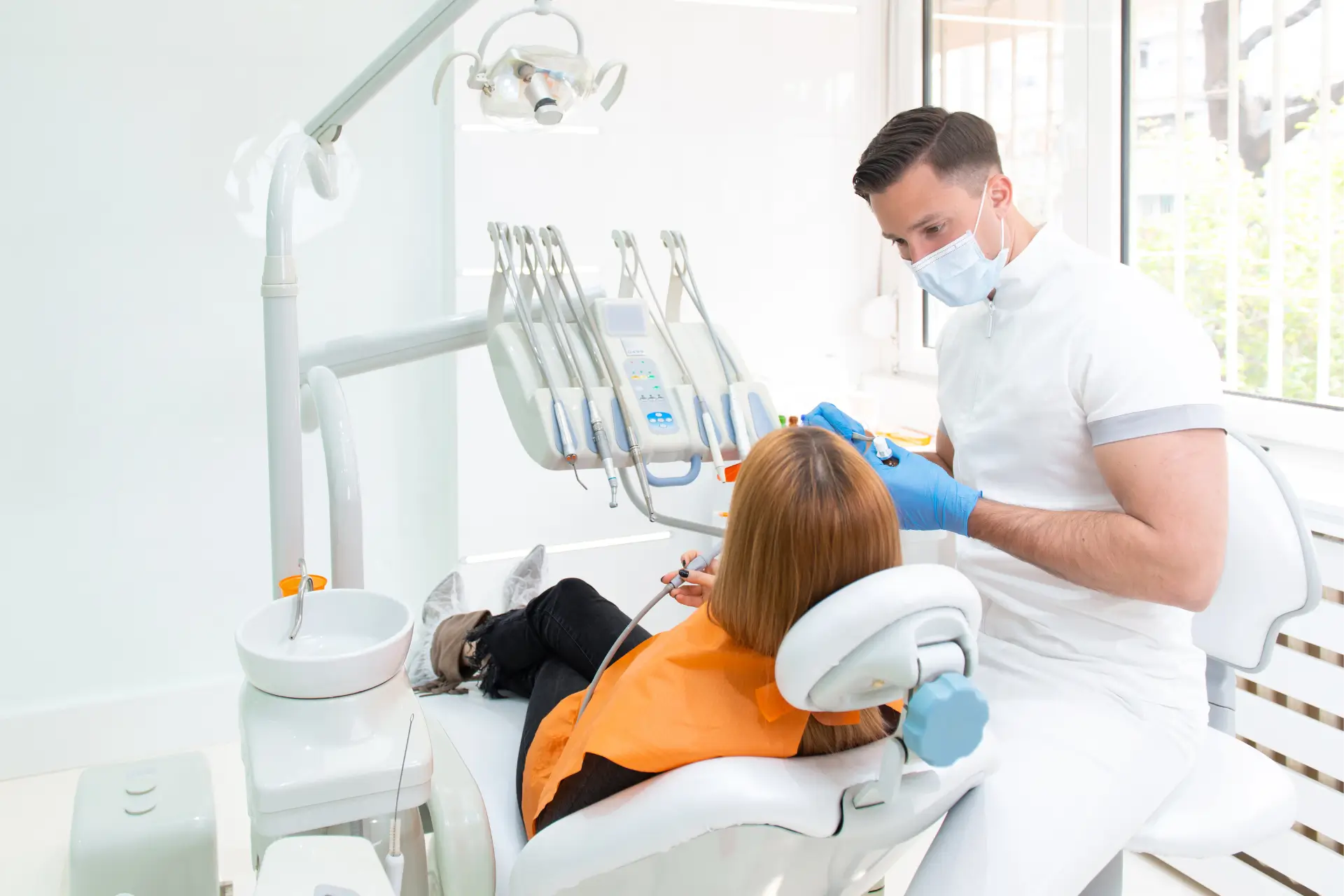

A dental infection rarely stays small for long. What starts as a dull ache around one tooth can turn into throbbing pain, facial swelling, trouble sleeping, and a sense that something is plainly not right. In practice, infections and abscesses are among the most urgent reasons people seek Dental Emergency Plano TX care. They are painful, unpredictable, and capable of spreading beyond the tooth and gums if treatment is delayed.
People often hope the pain will settle on its own. Sometimes it seems to, at least for a few hours or a day. That temporary quiet can be misleading. When pressure inside an abscess shifts or the nerve begins to die, pain may change character without the infection resolving. I have seen patients arrive relieved that the tooth “finally stopped hurting,” only to discover significant swelling, drainage, or a more advanced infection than they expected. Relief without treatment is not the same as healing.
The term abscess gets used loosely, but the basic idea is straightforward. It describes a pocket of infection, often caused by bacteria that entered through deep decay, a crack, gum disease, or trauma. Once bacteria reach areas the body cannot easily clear, pressure and inflammation build. That pressure is why dental abscesses can produce such intense, pulsing pain. The surrounding tissues react, the area becomes tender, and nearby structures may start to hurt as well. It is common for patients to point to one side of the face rather than one tooth because the discomfort spreads into the jaw, ear, temple, or neck.
Why infections and abscesses need prompt attention
Dental infections do not all behave the same way. Some remain localized near the tooth for a period of time. Others move quickly into the surrounding gum, bone, or soft tissues of the face. Location matters. A small abscess near a draining gum pocket may look less dramatic than a sudden swelling under the jaw, but either situation deserves an evaluation. The real question is not just how much it hurts, but where the infection is, how long it has been active, and whether it is starting to compromise nearby spaces.
This is where timely Dental Emergenc services matter. A true emergency visit is not only about pain relief. It is about determining the source of the infection, reducing risk, and choosing the treatment that gives the tooth, if possible, the best chance of recovery. In some cases that means root canal therapy. In others it means extraction, drainage, or immediate referral for more advanced management.
A common misunderstanding is that antibiotics alone fix a dental abscess. They can help control bacterial spread and reduce acute infection, especially when swelling is present, but they usually do not remove the cause. If bacteria remain inside a dead nerve space or under infected tissue, the problem often returns once medication ends. Definitive treatment addresses the source, not just the symptoms.
How a tooth becomes infected
Most infections begin in one of a few familiar ways. Decay is the most common. A cavity starts in the enamel, progresses into dentin, and eventually reaches the pulp, where the nerve and blood supply live. At that stage, bacteria can trigger pulpitis, then pulpal death, then infection at the root tip.
Cracks are another route. A tooth may look mostly intact from the outside but still allow bacteria to enter through a fracture line. This is common in heavily restored molars, teeth used for chewing ice, or teeth under years of grinding pressure. Once the internal tissue is exposed, the same sequence can unfold.
Gum disease creates a different pathway. Instead of infection starting inside the tooth, it develops around the supporting structures. Deep periodontal pockets can trap bacteria and debris, causing swelling and tenderness along the gum line. These infections can coexist with nerve-related abscesses, making diagnosis more complicated than patients expect.
Previous dental work can also play a role. A crown on a tooth with an old filling, a large restoration with hidden decay underneath, or a root canal tooth with a failing seal can all become reinfected. Dental problems are not always obvious to the eye. Some of the most painful abscesses come from teeth that appear externally stable.
What an abscess feels like, and what it does not always feel like
People often imagine one dramatic pattern: severe pain, obvious swelling, and a fever. That certainly happens, but not every infection follows the textbook. One patient may have a constant, pounding ache that worsens when lying down. Another may notice only tenderness when biting. A third may feel pressure in the gum and taste something foul when the abscess begins to drain.
The signs worth taking seriously include:
- Throbbing or persistent tooth pain that does not settle
- Swelling of the gums, cheek, or jaw
- Pain when chewing or tapping the tooth
- Bad taste, bad odor, or drainage near the tooth
- Fever, fatigue, or swollen lymph nodes
Even this list has limits. Some infected teeth are painless to temperature because the nerve is already nonvital. Some cause referred pain that feels like sinus pressure or an earache. Some wake people at 3 a.m. With severe pressure, then ease by morning, only to return later with more swelling. The pattern can shift, which is one reason diagnosis should not rely on symptoms alone.
The difference between a toothache and a true emergency
Not every toothache is an emergency, but any toothache with swelling should be treated that way until proven otherwise. Pain from sensitivity, a new cavity, or a chipped filling can still require prompt care, though the risk profile is different. Once infection enters the picture, the threshold for urgency changes.
The signs that raise concern most sharply are facial swelling, difficulty swallowing, fever, difficulty opening the mouth, and any sense that the swelling is moving downward into the neck or upward around the eye. Those are not symptoms to monitor at home for another day or two. They warrant immediate professional evaluation. In severe cases, they may require urgent medical treatment beyond the dental office.
That distinction matters in conversations about Dental Emergency Plano TX visits. Many people call asking whether they can “wait until next week.” If the issue is a small piece of a filling that broke without pain, that may be reasonable. If there is swelling and https://www.google.com/maps?cid=3400863401963185373 pressure, especially if it is getting worse, waiting becomes a gamble.
What happens during an emergency dental visit
A good emergency visit is focused, efficient, and practical. The first priority is understanding what is causing the problem. That usually involves a clinical exam, review of symptoms, and one or more dental x-rays. Tapping on the tooth, checking the bite, looking for swelling or drainage, and testing the response to cold or pressure can reveal whether the source is within the tooth, around the gums, or both.
Patients are often surprised that several teeth may be tested when only one side hurts. That is because pain can be deceptive. The upper and lower back teeth can refer pain to one another. Sinus issues can mimic tooth pain, and a cracked tooth may radiate discomfort more broadly than expected. A careful diagnosis avoids treating the wrong tooth, which does happen when the evaluation is rushed.
Once the source is identified, the clinician decides how to control the infection and pain. If the tooth can be saved and conditions allow, opening the tooth to begin root canal treatment may relieve pressure quickly. If the gum tissue contains a fluctuant abscess, drainage may be indicated. If the tooth has a poor long-term prognosis due to severe fracture, advanced bone loss, or extensive decay below the gum line, extraction may be the more sensible path.
This is where judgment matters. Saving a tooth is valuable, but not at any cost. A molar split through the root does not become more salvageable because the patient prefers to keep it. On the other hand, a tooth that looks intimidating on x-ray may respond very well to root canal therapy and proper restoration. Good emergency care is not just about doing something fast. It is about doing the right thing fast.
Antibiotics have a role, but they are not the whole answer
Antibiotics are important when infection is spreading, when swelling is present, or when there are systemic signs such as fever. They can reduce bacterial load and help prevent the situation from worsening while definitive treatment is arranged. But their limitations are significant.
A tooth with a dead, infected pulp is not like a skin infection where medication alone can reach the area and resolve it. The internal space of the tooth often needs to be cleaned, disinfected, and sealed, or the tooth needs to be removed. If neither happens, the infection commonly flares again.
This is one of the most frequent frustrations I hear from patients. They were given antibiotics elsewhere, felt better for a week, then the pain returned even stronger. That sequence is common. The medication reduced the acute phase, but the source remained untouched. When the bacteria regained momentum, the symptoms came back.
There is also a practical issue. Repeated rounds of antibiotics without treatment are not good care. They can increase resistance concerns, create false reassurance, and postpone a necessary procedure until the problem becomes larger and more expensive.
Root canal or extraction, how the decision is made
When a tooth is abscessed, patients usually want a simple answer: can it be saved or not? Sometimes the answer is clear. Sometimes it depends on several details that only become obvious after imaging and examination.
A tooth is more likely to be a strong candidate for root canal treatment if the root structure is intact, the surrounding bone support is still adequate, and the remaining tooth can be predictably restored with a filling or crown. Front teeth and premolars are often simpler than molars, though simplicity is never guaranteed. Molars can absolutely be saved, but they are more technique-sensitive because of multiple roots and canals.
Extraction becomes more likely when the tooth is fractured below the gum line, weakened beyond restoration, or surrounded by severe periodontal damage. Financial considerations also enter the conversation. Root canal therapy followed by a crown usually costs more upfront than extraction. Yet replacing an extracted tooth later with an implant or bridge may cost more overall. The least expensive step today is not always the least expensive decision in the long run.
There are also functional trade-offs. Losing a back tooth can affect chewing efficiency and, over time, allow neighboring teeth to drift. Losing a front tooth affects appearance and speech more immediately. Emergency care often starts the conversation, but the best treatment plan looks beyond the next 24 hours.
When a dental infection becomes medically serious
Most dental infections are managed safely in a dental setting, but some cross into territory that requires urgent medical support. This can happen when swelling extends into facial spaces that affect breathing, swallowing, or the ability to open the mouth. It can also happen in patients with compromised immunity, uncontrolled diabetes, or other conditions that reduce the body’s ability to contain infection.
The practical warning signs are not subtle. Increasing facial swelling, fever, malaise, trouble swallowing saliva, a muffled voice, or swelling beneath the jaw deserve immediate attention. If breathing feels restricted, that is an emergency. In those situations, hospital-based imaging, IV antibiotics, and surgical drainage may be necessary.
No reputable emergency dentist minimizes those risks. Good Dental Emergenc care includes recognizing when the office is the right setting and when the safer move is referral to a higher-acuity environment.
What to do at home before you are seen
Home care cannot cure an abscess, but it can make the wait safer and more tolerable if you are already arranging prompt treatment. The goal is to control discomfort without masking the seriousness of the situation.
A few practical steps help:
- Rinse gently with warm salt water to keep the area cleaner
- Use over-the-counter pain medication as directed, if medically appropriate for you
- Avoid very hot, very cold, or hard foods on the affected side
- Keep your head elevated if pressure worsens when lying flat
- Do not place aspirin directly on the gum or try to lance the swelling yourself
That last point deserves emphasis. People still attempt home drainage with needles, pins, or internet advice that should never have been posted. It is unsafe. The mouth carries heavy bacterial load, and incorrect drainage can worsen the infection or injure adjacent tissue. The same goes for placing clove oil, crushed pills, or alcohol directly into irritated gums. Temporary numbing is not worth a chemical burn.
The Plano angle, access and timing matter
For patients searching locally, the value of nearby emergency care becomes obvious once swelling starts and every hour feels longer than it is. Access matters. So does the ability to get imaging, diagnosis, and immediate intervention rather than a phone prescription with no examination.
If you are looking for Dental Emergency Plano TX treatment specifically for infections or abscesses, it helps to ask practical questions when you call. Can they see swelling cases the same day? Do they perform emergency extractions or start root canal treatment in-house? Will they take x-rays during the visit? Can they identify whether the problem is endodontic, periodontal, or something else? A well-run emergency office will answer those questions clearly.
Plano patients often balance convenience with urgency. Driving farther for care may not feel ideal, but if an office can treat the source the same day rather than just triage it, that difference can matter. In infection cases, speed and capability are often more important than familiarity.
Why some people are more prone to dental abscesses
Not all abscesses come from neglect. That assumption is unfair and often wrong. Yes, untreated decay and skipped care raise the risk, but so do large old fillings, dry mouth, teeth that have undergone years of heavy grinding, past trauma, and medical issues that alter oral bacteria or healing. Some patients are meticulous and still develop a cracked molar under an old crown. Others have little decay but severe periodontal pockets that become infected.
Dry mouth is a bigger factor than many realize. Saliva protects teeth, buffers acids, and helps regulate the oral environment. People taking certain blood pressure medications, antidepressants, allergy medications, or treatments for autoimmune conditions may see a rise in decay risk simply because their mouth stays dry. That can lead to fast-moving cavities and, eventually, infection.
Bruxism, or chronic clenching and grinding, is another silent contributor. It creates microscopic stress over time. Teeth develop craze lines, restorations loosen, and roots or cusps crack. By the time the patient feels pain, the tooth may already have bacterial contamination deep inside.
After the emergency, the follow-through matters
An emergency appointment solves the urgent problem, but it does not end the treatment story. If a tooth was opened for drainage or pain relief, root canal treatment may still need completion. If antibiotics were prescribed, the tooth still requires definitive care. If an extraction was performed, the next decision concerns replacement, healing, and prevention of future bite changes.
This is where patients sometimes lose momentum. The crisis passes, pain improves, and normal life takes over. A temporary filling is left in place too long. A recommended crown is postponed. An extracted tooth is never replaced. Months later, the consequences appear in a different form, another fracture, shifting teeth, or recurrent pain.
The best outcomes usually come from acting while the details are still fresh. Finish the root canal. Place the crown if it is recommended. Return for periodontal treatment if gum disease was part of the problem. Emergency care works best when it is tied to a complete plan rather than treated as a one-time rescue.
Prevention is less dramatic, but far easier
Dental abscesses are memorable for all the wrong reasons. Preventing them tends to be less memorable because it is quieter work, regular exams, early treatment of decay, replacing failing restorations before they break down completely, and addressing gum disease while it is still manageable.
Small findings are easier to live with than large emergencies. A cavity that needs a filling is inconvenient. A cavity that reaches the nerve and causes facial swelling is disruptive, expensive, and hard to ignore. The same principle applies to cracked teeth. A night guard for a grinder is not glamorous, but it is far cheaper and more comfortable than losing a molar to a vertical fracture.
For anyone who has already had one abscess, the lesson tends to stick. The pain alone is persuasive. But the larger point is this: infections and abscesses are not dental problems to watch casually from home. They are conditions that require diagnosis, source control, and sound clinical judgment. Whether that leads to root canal therapy, extraction, drainage, or referral depends on the specifics, but delay rarely improves the picture.
If you are dealing with swelling, pressure, or signs of an abscess, seeking prompt Dental Emergency Plano TX care is the right move. Fast treatment protects more than comfort. It protects your health, your treatment options, and often your chance to save the tooth before a bad situation becomes a much bigger one.
Vitality Dental
Address: 1220 Coit Rd #106, Plano, TX 75075
Phone number: +19726454100
FAQ About Dental Emergency Plano TX
What can the ER do for a tooth?
An emergency room (ER) can manage pain and treat severe infections with medication, but it cannot fix or pull a tooth.
What is considered a dental emergency?
A dental emergency is any oral health problem that involves severe pain, uncontrollable bleeding, or an infection that threatens your health or requires immediate care to save a tooth.
Is there a 24-hour dental service in Plano, TX?
There is no physical dental clinic in Plano, Texas, that stays open with walk-in staff 24 hours a day, but several offices offer 24/7 phone support, late-night hours, or same-day emergency care.