Dental Emergency Plano TX for Lost Dental Work and Repairs
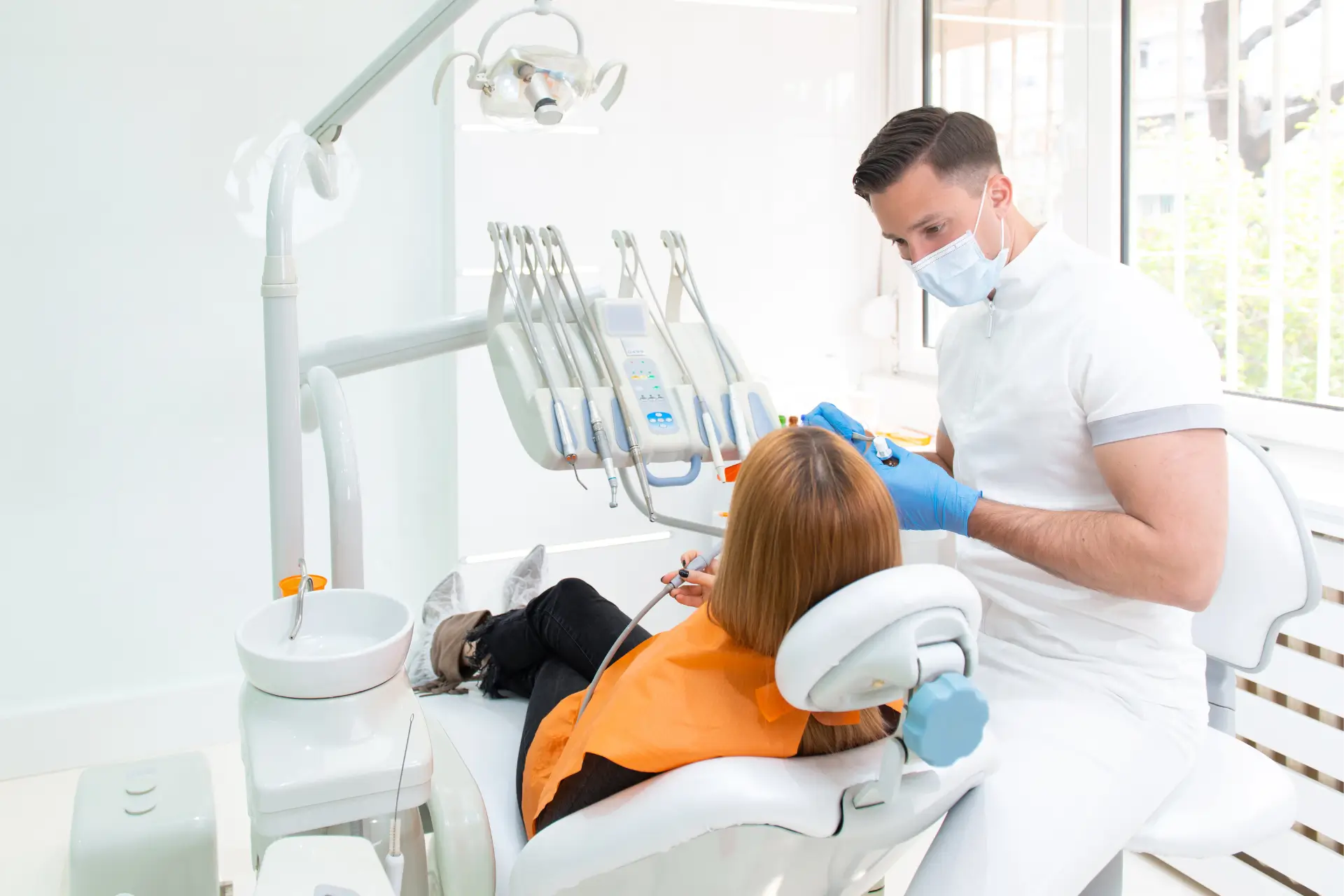
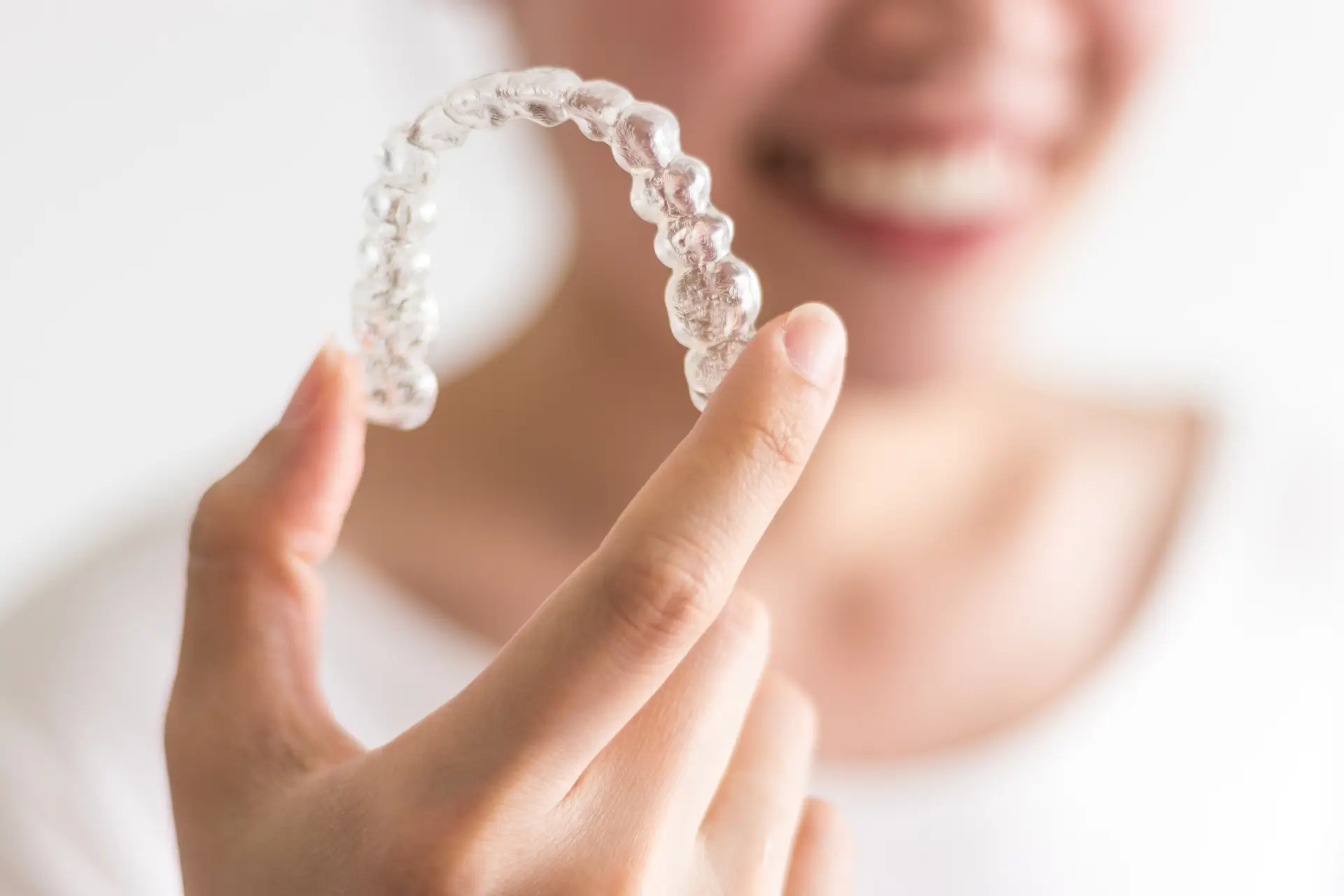
A lost crown rarely happens at a convenient time. It comes loose during lunch, slips off while flossing before bed, or cracks when you are halfway through a workday and already late for your next meeting. Fillings have a way of choosing weekends. Veneers chip before photographs. A bridge that felt stable for years can suddenly shift and turn an ordinary bite into something awkward and painful.
When dental work fails, people usually ask the same first question: is this a true emergency, or can it wait? The answer depends on what came off, what the tooth underneath looks like, and whether pain, swelling, bleeding, or trauma are involved. In a busy community, the phrase Dental Emergency Plano TX often gets searched in a hurry because patients want practical help, not generic advice. They need to know what to do in the next ten minutes, what to avoid overnight, and whether the tooth can be saved without making things worse.
Lost dental work is one of the most common urgent issues a general dentist sees. It often feels dramatic because a restoration can come off all at once, but the underlying problem usually started earlier. Cement may have worn down. Decay may have developed beneath a crown. A filling may have loosened after years of chewing pressure. In some cases, the tooth structure holding the restoration simply got weaker over time. The sudden moment is only the final step in a process that has been building quietly.
Why a lost crown or filling deserves prompt attention
A crown, filling, inlay, onlay, veneer, or bridge is not just cosmetic. Each one protects tooth structure, seals vulnerable areas from bacteria, and helps distribute bite forces. Once that protection is gone, the exposed tooth may become sensitive to air, sweets, pressure, or temperature. Even when there is no pain at first, the tooth is more likely to crack, shift, trap food, or collect plaque.
The timing matters. A crown that came off cleanly from an otherwise sound tooth is very different from a crown that came off with part of the tooth attached. A filling that falls out of a shallow cavity may leave a rough hole that is irritating but manageable for a day or two. A lost filling from a deep cavity near the nerve can become intensely painful within hours. Dental judgment lives in these details, which is why fast evaluation matters.
There is also the issue of fit. Teeth move slightly. A restoration that still fits today may not fit as well after several days or a week, especially if the tooth is uncovered and your bite changes around it. Patients are often surprised by how quickly a nearby tooth can drift or how an opposing tooth can erupt slightly into an open space. These changes are subtle, but they affect whether a crown can be recemented or whether a new one is needed.
The most common types of lost dental work
A loose or missing filling usually leaves a visible opening in the tooth. Food tends to pack into it almost immediately, and the edges often feel sharp to the tongue. Composite fillings can come out because of wear, recurrent decay, or a fracture in the surrounding enamel. Older silver fillings may loosen after many years because the tooth flexes, the margins break down, or cracks develop.
Crowns come off for several reasons. Sometimes the cement fails and the crown lifts away intact. Sometimes decay forms at the margin and weakens the bond. Sometimes the tooth under the crown fractures, which changes the entire plan. If the crown itself is undamaged and the underlying tooth is healthy enough, recementation may be possible. If the fit is off, the crown is cracked, or decay is present, replacing it is usually the safer option.
Bridges are more complicated because they depend on multiple teeth. If one side loosens, the bridge may rock during chewing and place damaging force on the supporting teeth. A veneer that detaches or chips may be less urgent from a pain standpoint, but it still needs prompt care if the underlying enamel or dentin is exposed. Temporary crowns and temporary bridges deserve attention too. They are not decorative placeholders. They protect the prepared tooth and preserve spacing until the final restoration is cemented.
What to do in the first hour
The first hour after dental work comes loose is when people often make the mistake that creates a bigger problem. Panic leads to chewing on the other side until the tooth cracks, or trying household glue, or tossing the crown into a napkin that gets thrown away. A calm, simple response usually protects the best treatment options.
If you can retrieve the restoration, keep it. Rinse it gently with water. Do not scrub aggressively, and do not soak it in random solutions from your medicine cabinet. If it is a crown, check whether there is visible debris inside, but do not dig at it with pins, knives, or metal tools. If the tooth is bleeding because of trauma, apply gentle pressure with clean gauze. If there is swelling, use a cold compress on the outside of the cheek for short intervals.
Here is the short practical checklist I give patients most often:
- Save the crown, filling, veneer, or bridge piece if you can find it.
- Rinse your mouth gently with lukewarm water to clear debris.
- Avoid chewing on that side, especially hard, sticky, or hot foods.
- Call a dentist as soon as possible and describe pain, swelling, and whether the tooth is broken.
- Do not use super glue or any non-dental adhesive.
The advice about glue is worth repeating. Cyanoacrylate products, hardware adhesives, and craft glues are not safe substitutes for dental cement. They can irritate tissue, distort the fit, and make definitive treatment harder. Temporary dental repair kits from a pharmacy can help in limited situations, but even then, they are a short-term measure for an intact crown that is only being held in place to protect the tooth until you can be seen. They are not a license to postpone care indefinitely.
When this becomes a same-day emergency
Not every lost filling is a midnight crisis, but some situations do need same-day attention. Pain that keeps increasing, swelling in the gum or face, signs of infection, a broken tooth with sharp edges, trauma from a fall or sports injury, or a crown that came off and left a deeply exposed tooth can all move this from inconvenient to urgent.
A front tooth also changes the urgency. Patients are understandably distressed when a visible crown or veneer comes off, especially before work presentations, weddings, travel, or family events. While appearance alone may not be a medical emergency, front teeth are often thinner and more vulnerable to chipping once the restoration is off. The emotional stress is real too. A good emergency dentist takes both the clinical and personal urgency seriously.
A child or teen with lost dental work deserves careful evaluation as well. Younger patients may not describe symptoms clearly, and a loose space maintainer, broken sealant, or lost filling can affect comfort, function, or future alignment. Adults with diabetes, immune compromise, a history of recurrent dental infections, or significant anxiety around dental treatment may also need faster attention because delays can escalate the situation.
What a dentist looks for at the emergency visit
Patients often think the appointment is simply about putting something back where it was. Sometimes it is that straightforward. More often, the dentist is making a series of small but important judgments. Is the tooth restorable? Is there decay under the old margin? Has the bite changed? Is the root cracked? Is the gum inflamed because the restoration was loose for a while? Has the tooth nerve become irritated enough to need more than a basic repair?
The exam usually begins with direct inspection, photographs in some offices, bite analysis, and X-rays when needed. If a crown came off, the dentist will look at the tooth preparation and at the inside of the crown. An intact crown with good margins and no recurrent decay may go back on the same day. A filling that fell out might be replaced immediately if the tooth is dry, stable, and not deeply compromised. If there is extensive decay or a crack below the gumline, the dentist may need to change course and discuss a larger restoration, root canal treatment, crown lengthening, or extraction depending on the case.
Pain patterns also matter. A tooth that hurts only when exposed to cold may behave very differently from a tooth that throbs spontaneously or wakes you up at night. One suggests reversible irritation more often, the other raises concern for deeper nerve involvement. That distinction affects whether the emergency visit ends with a simple repair or a more complex plan.
Repair, recement, or replace
One of the most common misunderstandings in emergency dentistry is the idea that every lost crown should simply be glued back on. Recementation is a valid option when the crown still fits precisely, the margins are sound, and the underlying tooth is healthy enough. It is quick, conservative, and often cost-effective.
Replacement becomes the better choice when the crown is worn, cracked, decayed around the edges, or no longer seats fully. Even a tiny distortion matters. A crown that feels close enough in your hand may be off by just enough to trap bacteria, irritate the gum, or throw your bite out of balance. A filling may also need more than replacement. If the cavity has expanded, the tooth may now require an onlay or crown instead of another direct filling.
The difference between a good short-term fix and a durable repair often comes down to how much healthy tooth structure remains. Teeth that have already had large restorations, root canals, or repeated fractures tend to need stronger coverage than teeth with smaller defects. That is why experienced dentists are cautious about repeating the same repair if the tooth has already shown it cannot tolerate the load.
What you can expect in terms of discomfort and timing
Many lost restorations can be managed comfortably with local anesthetic and completed in one visit. Recementing a crown is often the easiest scenario when the crown and tooth are both intact. Replacing a small to moderate filling may also be same-day. If a new impression or digital scan is needed for a replacement crown, the dentist may place a temporary while a final restoration is fabricated.
Sensitivity after repair is common, especially if the tooth was exposed for a day or two. Most patients notice improvement within days, though deeper teeth can take longer to settle. If symptoms continue to intensify rather than gradually ease, that is not something to ignore. Persistent pain on biting, lingering temperature sensitivity, or swelling can signal a crack, bite problem, or nerve issue that needs reevaluation.
For patients trying to gauge urgency before they call, this rough comparison helps:
| Situation | Typical urgency | |---|---| | Crown came off, little pain, crown intact | Prompt visit, often within 24 to 48 hours | | Filling lost, mild sensitivity only | Prompt visit, usually within a day or two | | Severe pain, swelling, fever, trauma, bleeding | Same-day emergency care | | Bridge loose or rocking during chewing | Fast evaluation to prevent further damage | | Veneer or front crown off, tooth exposed | Prompt care, especially to protect appearance and tooth structure |
How dentists manage edge cases
Emergency cases are rarely textbook perfect. A patient may bring in a crown that has been off for two weeks, tucked in a wallet, with the tooth underneath now decayed and the gum overgrown. Another may have swallowed the crown and show up with no idea what the original shape looked like. Someone else may have a filling fall out of a tooth that was already scheduled for a crown, only now the cusp has fractured as well.
These edge cases are where experience matters. A dentist may smooth sharp edges, place a sedative material over exposed dentin, or create a provisional build-up to buy time for a definitive restoration. If the tooth is too compromised for immediate final repair, the goal shifts from permanent completion to stabilization, pain control, and preservation of future options. That may not feel as satisfying as walking out “fixed,” but it is often the soundest clinical choice.
There are also situations where the restoration was not the real problem. A crown may come off because the tooth had a vertical fracture no cement could have prevented. A bridge may loosen because a supporting tooth developed advanced decay below the gumline. In those cases, replacing the same type of dental work without addressing the cause would only delay the inevitable and cost more in the long run.
Temporary at-home measures, and their limits
Patients often ask whether they can reseat a crown themselves. Sometimes an intact crown can be gently placed back over the tooth for protection, but only if it slips on easily and naturally. If it does not seat fully, do not force it. Biting down to “snap it in” can crack the tooth or lodge the crown in the wrong position. Temporary dental cement from a pharmacy can be useful for a very short interval if you cannot be seen immediately, but it is not sterile definitive treatment and should not remain for long.
A lost filling is harder to manage at home because the shape of the cavity matters. Temporary filling material may reduce sensitivity for a day or two, but it can also trap debris if applied poorly. Clove oil gets mentioned often online, but it is not appropriate for every case and can irritate soft tissues if overused. Saltwater rinses, a soft diet, and avoidance of the affected side are usually safer basics.
Pain medication can help, but it should be chosen sensibly. Many adults can use over-the-counter anti-inflammatory medication if their physician says it is safe for them, but not everyone can. Patients with stomach ulcers, kidney disease, anticoagulant use, pregnancy, or certain medical conditions need individualized guidance. Antibiotics are not a substitute for dental repair, and they are not automatically indicated for every lost crown or filling. They are used when infection is present or highly suspected, not just because a tooth is uncomfortable.
Preventing repeat failures after the repair
Once the immediate problem is handled, it is worth asking why the dental work failed. The answer is often mechanical. Night grinding can loosen crowns, crack fillings, and chip veneers. A clenching habit during work or sleep puts far more pressure on restorations than most people realize. If restorations keep failing in the same area, the bite deserves scrutiny.
Diet plays a role too. Sticky candies, frequent ice chewing, and repeated exposure to acidic drinks shorten the lifespan of both teeth and restorations. Dry mouth is another quiet culprit. Patients taking certain medications, using CPAP, or dealing with chronic mouth dryness may see more decay at crown margins because saliva is not doing its normal buffering and cleansing work.
Good home care is not glamorous advice, but it matters. Plaque sitting around a crown margin can lead to recurrent decay, and recurrent decay is one of the main reasons otherwise good crowns have to be replaced. Flossing around bridges takes more technique. Water flossers, floss threaders, or small interdental brushes can make a real difference when used consistently. Regular checkups also catch loosened margins early, before “my crown suddenly fell off” becomes the story.
Choosing the right urgent dental care in Plano
When searching for Dental Emergency Plano TX, patients are often comparing convenience with quality under stress. Same-day availability matters, but so does the office’s willingness to ask the right questions before you arrive. A useful emergency call is not just scheduling. It includes triage. You should expect to be asked what came off, whether there is swelling or trauma, how severe the pain is, whether the tooth is broken, and whether you still have the restoration.
A practice that routinely handles urgent repairs will usually give practical pre-visit instructions and set realistic expectations. They should tell you if they may need X-rays, whether to bring the crown or bridge with you, and what signs mean you should not wait. If facial swelling is progressing, breathing or swallowing feels affected, or bleeding will https://felixrlzd776.raidersfanteamshop.com/dental-emergency-plano-tx-solutions-for-loose-crowns not stop after trauma, that moves beyond a routine lost crown problem and needs immediate medical or dental emergency attention.
It is also reasonable to ask whether the office can handle both stabilization and definitive treatment. Some places are excellent at same-day pain relief but refer out for more complex restorative steps. That may be perfectly fine, but patients do better when they know the pathway from the start.
The bigger picture behind a small piece of missing dental work
A lost filling can look minor in your hand, yet it often tells a larger story about the tooth, the bite, or the environment in your mouth. The best emergency care does not just plug the gap. It identifies why that gap appeared and what repair gives the tooth its best chance over the next five to ten years, not just the next five days.
That is the practical mindset behind urgent restorative care. Save the piece if you can. Protect the tooth. Get it evaluated promptly. And understand that the right answer may be recementation, replacement, reinforcement, or a change in treatment plan based on what the tooth is actually showing. In many cases, fast action means the difference between a simple repair and a far more expensive one later.
If you are dealing with a loose crown, missing filling, detached veneer, or unstable bridge, time matters, but panic does not help. Thoughtful emergency dentistry does. That is what patients are really looking for when they search Dental Emergency Plano TX: clear judgment, quick relief, and repairs done with enough care that the same restoration problem does not keep coming back.
Vitality Dental
Address: 1220 Coit Rd #106, Plano, TX 75075
Phone number: +19726454100
FAQ About Dental Emergency Plano TX
What can the ER do for a tooth?
An emergency room (ER) can manage pain and treat severe infections with medication, but it cannot fix or pull a tooth.
What is considered a dental emergency?
A dental emergency is any oral health problem that involves severe pain, uncontrollable bleeding, or an infection that threatens your health or requires immediate care to save a tooth.
Is there a 24-hour dental service in Plano, TX?
There is no physical dental clinic in Plano, Texas, that stays open with walk-in staff 24 hours a day, but several offices offer 24/7 phone support, late-night hours, or same-day emergency care.