Foods to Eat After Wisdom Teeth Removal in Oxnard CA
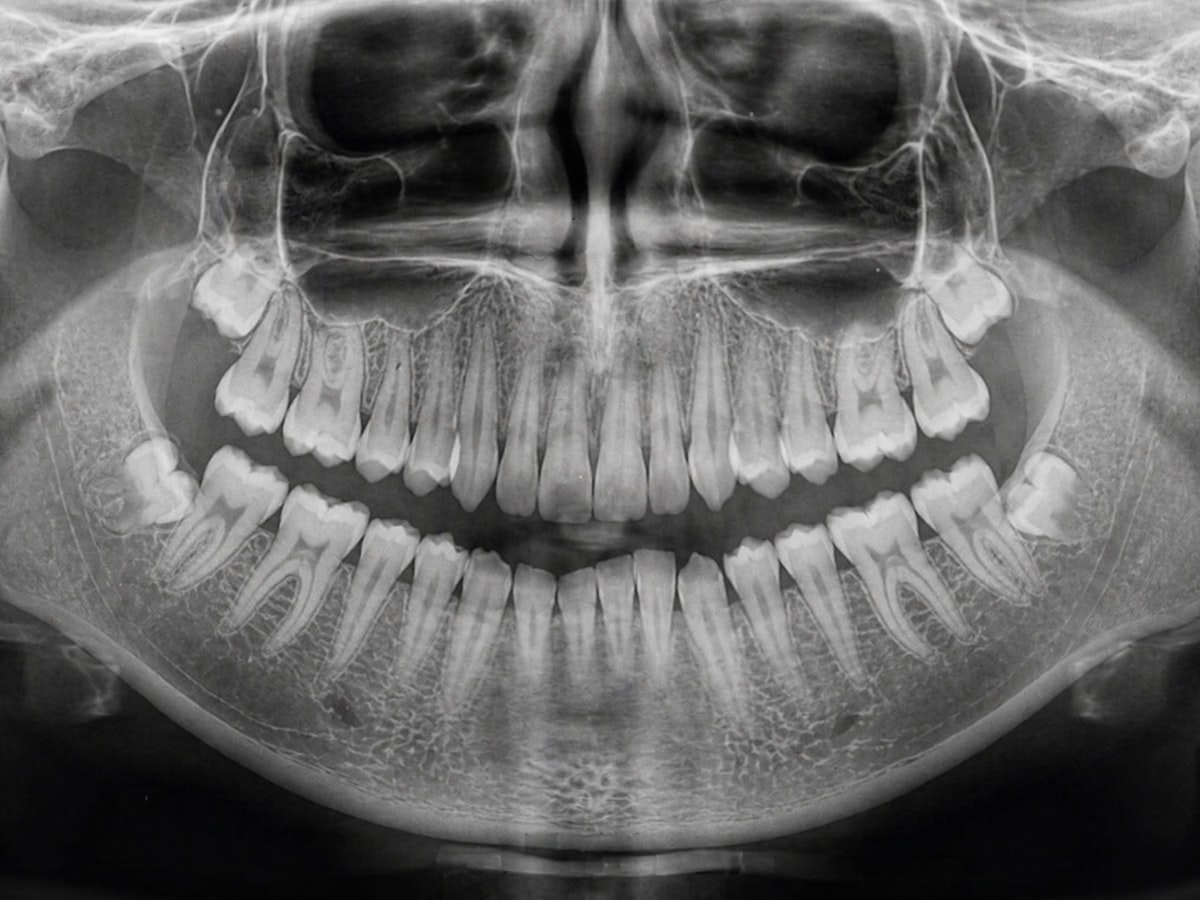
Recovering from wisdom teeth removal is rarely complicated, but the first few days can feel longer than they are. Eating becomes awkward, your mouth is tender, and foods you normally do not think twice about suddenly become a problem. For patients planning or recovering from Wisdom Teeth Removal Oxnard CA, the question comes up almost immediately after surgery: what can I actually eat without irritating the area or slowing healing?
The short answer is simple. You want foods that are soft, easy to swallow, gentle on the surgical sites, and nourishing enough to support recovery. The longer answer matters more, because the right food changes from day one to day seven, and what feels fine to one patient may be a bad choice for another. Age, the number of teeth removed, whether the teeth were impacted, and how much swelling you have all affect what your mouth can tolerate.
Over the years, one pattern stays consistent. Patients usually do best when they stop trying to “get back to normal” too fast. The first few days are not the time for chips, toast, spicy burritos, or anything with seeds. If you respect the healing process early, your week tends to go much more https://gunnervluj426.rivetgarden.com/posts/benefits-of-early-wisdom-teeth-removal-in-oxnard-ca smoothly.
What your mouth needs after surgery
After wisdom tooth extraction, the body forms blood clots in the empty sockets. Those clots protect the underlying bone and nerves while the tissue begins to close. Good food choices protect those clots. Poor choices can disturb them, increase pain, or leave debris in the area.
Texture matters more than people expect. A food can be healthy and still be a bad post-op choice if it is crumbly, chewy, sharp, or grainy. Temperature matters too. Very hot foods and drinks can increase discomfort and may not feel good on numb or inflamed tissue. Acidity can sting. Even foods with tiny particles, like rice or berry seeds, can work their way into the extraction sites and become annoying to clean out.
Hydration is part of the equation as well. Many patients eat less after surgery, either because chewing is uncomfortable or because they are nervous about damaging the area. That is understandable, but under-eating tends to backfire. A body that is healing after oral surgery benefits from fluids, protein, calories, and some basic vitamins and minerals. If you do not get enough, fatigue hits harder, medications may upset your stomach, and swelling can feel worse.
The first 24 hours, think cool, smooth, and simple
The day of surgery is usually not about full meals. It is about getting through the numbness safely, avoiding irritation, and starting hydration. Once the numbness begins wearing off, smooth foods are the safest place to start. Yogurt, pudding, applesauce, and blended soups that have cooled to lukewarm are typical favorites. Many patients in Oxnard also do well with smoothies, provided they are eaten with a spoon and not a straw. Straws create suction, which can disturb the blood clot and increase the risk of dry socket.
A common mistake is choosing a smoothie that sounds healthy but is full of little seeds, fibrous fruit skins, or acidic ingredients. Strawberry smoothies, for example, are often a nuisance because seeds can get lodged near the extraction areas. Citrus-heavy blends can sting. A banana smoothie with yogurt and a spoonful of peanut butter is usually much kinder. If peanut butter feels too thick, thinning it with milk or a milk alternative makes it easier to manage.
Mashed potatoes often become the unofficial hero of the first evening. They are soft, filling, easy to swallow, and can be enriched with butter, broth, or a little sour cream for calories. The same goes for well-blended sweet potatoes. If a patient has nausea from pain medication, plain foods usually go down more easily than anything rich or heavily seasoned.
Cold foods can also help with comfort. Ice cream is popular, but it is best chosen carefully. Avoid varieties packed with nuts, cookie chunks, caramel shards, or sticky mix-ins. Plain vanilla, chocolate, or a smooth fruit sorbet is usually fine if it is not too acidic. Cottage cheese can work well too, though some patients dislike the texture right after surgery.
The best foods for days two through four
By the second and third day, soreness and swelling often peak. That surprises some patients. They assume the worst is over once the procedure is done, but post-op swelling tends to build before it improves. During this stretch, soft foods still make the most sense, but you can usually broaden the menu.
Here are some of the most reliable choices:
- Scrambled eggs, cooked soft and not browned
- Oatmeal or cream of wheat, once it has cooled and if the texture feels comfortable
- Greek yogurt, plain or lightly flavored without crunchy toppings
- Blended soups such as potato, squash, tomato, or cream-based vegetable soups
- Soft pasta or macaroni, especially if cut small and coated in a smooth sauce
Each of these foods has a practical advantage. Eggs offer easy protein without much chewing. Greek yogurt gives protein and calories in a form that slides down without effort. Blended soups help patients stay hydrated while still getting something substantial. Soft pasta works especially well once jaw stiffness begins easing, but overcooked is better than al dente during recovery.
This is also the phase when people start testing foods that are almost soft enough, and that is where trouble starts. Toast seems harmless until the crust scratches the gum tissue. Rice seems soft until grains start collecting in the sockets. Ground meat can be tolerated by some people and bother others, depending on how fine it is and how tender the area remains. Judgment matters here. If you find yourself chewing carefully to avoid one side of your mouth, the food is probably too advanced for that day.
Protein helps more than patients realize
A lot of post-op eating advice focuses on texture, which is important, but nutrition deserves equal attention. Protein supports tissue repair. It also helps patients maintain energy when their appetite is down. Someone who lives on popsicles and applesauce for three or four days may technically be eating, but they often feel drained by the end of the week.
The good news is that protein does not need to come from steak or chicken breast. After oral surgery, softer sources are usually the better fit. Scrambled eggs, Greek yogurt, cottage cheese, protein shakes taken without a straw, tofu, and very tender flaky fish can all work well when introduced at the right time. Beans can also be useful if mashed thoroughly, though their skins may irritate some people early on.
I have seen plenty of patients feel markedly better once they move from “dessert foods” to actual sustaining foods. There is a difference between getting calories and getting useful recovery fuel. A milkshake may feel soothing, but if that is all you have had all day, you may notice more weakness, more medication-related nausea, and a slower return to normal eating.
Local habits matter, especially in Oxnard
Living in coastal California shapes food habits. In Oxnard, fresh fruit, tacos, chips and salsa, seafood, smoothies, and iced coffee are all everyday foods for many people. The challenge after surgery is not that these foods are bad in general, it is that many local favorites are rough on fresh extraction sites.
Fresh berries, kiwis, and seedy fruits are healthy but annoying to manage right after oral surgery. Tortilla chips are one of the worst choices in the first week because they are sharp, brittle, and quick to poke healing tissue. Salsa can sting. Citrus drinks and aguas frescas with pulp may not feel as refreshing as they normally do. Even fish tacos, soft as they may seem, often come with crunchy cabbage, lime, and sauces that can irritate the area.
That does not mean patients need to eat bland hospital food for a week. It just means adapting familiar foods. A smoothie bowl eaten with a spoon is usually safer than an iced blended drink through a straw. Refried beans without cheese crust or chopped onions are easier than a burrito. Plain mashed avocado can work, but chunky guacamole with tomato, jalapeño, and citrus may not. If you are recovering after Wisdom Teeth Removal Oxnard CA, small changes like that can make a big difference in comfort.
Foods that often sound safe, but are not
Patients usually know to avoid popcorn and nuts. The less obvious problem foods are the ones that seem soft at first glance but create trouble because of their texture, temperature, or residue.
Bread is a classic example. Soft sandwich bread can ball up and feel gummy. Toast, bagels, and crusty rolls are worse because they scrape tissue. Granola and cereal are obvious no-go items, but even oatmeal needs caution if it is thick, very hot, or studded with seeds. Peanut butter can be useful in smoothies, yet by itself it may feel sticky and difficult to clear from the mouth.
Spicy foods deserve special mention. Many people can tolerate mild seasoning within a few days, but heavily spiced dishes often sting and can make the whole mouth feel inflamed. Hot sauce is almost never worth the experiment early on. Likewise, acidic tomato sauces may be fine for one person and irritating for another. There is no prize for pushing through discomfort. If something burns, save it for later in the week.
Alcohol is another bad early choice. It can interfere with healing, worsen dehydration, and interact with prescription pain medication. If you have been prescribed an antibiotic or stronger pain reliever, alcohol should be off the table unless your surgeon says otherwise.
How to build a real day of eating
One reason recovery feels harder than expected is that patients snack all day but never really eat. They have pudding at noon, a little applesauce later, and maybe half a yogurt at dinner. Then they wonder why they feel shaky or tired.
A better approach is to think in gentle meals. Breakfast might be scrambled eggs and yogurt. Lunch could be blended soup with mashed potatoes. An afternoon snack might be a banana smoothie eaten with a spoon. Dinner could be soft pasta or a pureed vegetable soup with a side of cottage cheese. That kind of day delivers far more nutrition without forcing difficult chewing.
If morning pain or medication makes eating hard, start with something very simple and build from there. Even a few bites of yogurt or applesauce before medication can settle the stomach. Once pain is under better control, appetite often improves.
For teenagers and young adults, this matters even more than parents think. Younger patients often bounce back quickly, but they also tend to underestimate the importance of eating enough. They feel okay, so they try to live on cold treats and then get lightheaded when standing up or taking medication. Recovery is smoother when meals are planned instead of improvised.
A practical progression for the first week
The exact pace varies, but a general rhythm works for most patients. Day one is usually limited to very soft, cool, or lukewarm foods with almost no chewing. Days two and three stay firmly in the soft-food category, though a little more variety becomes possible. By days four through seven, many people can handle more substantial soft foods, especially if swelling is down and jaw movement is improving.
That still does not mean fully normal eating. Even if the pain has faded, the extraction sites are still healing. Crunchy, hard, and crumbly foods can create setbacks after a few good days. This is one of the reasons patients end up calling the office around day five, convinced something is wrong, when the real issue is often that they got overconfident with pizza crust, tortilla chips, or a sandwich.
A useful rule is to let discomfort guide you without becoming overly fearful. Mild awareness while eating can be normal. Sharp pain, pressure directly at the sockets, or food that keeps getting trapped are signs to back up and choose something softer.
When smoothies are helpful, and when they are not
Smoothies deserve their own section because they are both one of the best and one of the most misused recovery foods. Done well, they provide protein, hydration, calories, and vitamins with almost no chewing. Done poorly, they become sugary, acidic, or full of small particles.
A good post-op smoothie is usually built from a soft fruit base like banana, a protein source like Greek yogurt or protein powder, and enough liquid to make it easy to spoon. Ingredients like oats can be useful later, but very early they may feel too grainy. Berries can be fine if thoroughly blended and strained, but many patients find them irritating. Chia seeds, flax seeds, coconut flakes, and crunchy toppings should wait.
The other issue is temperature. Ice-cold can be soothing for some patients, but for others it triggers sensitivity. A lightly chilled smoothie often works better than one packed with ice. And again, no straw. That advice gets repeated because it matters.
If nausea is part of the picture
Nausea after wisdom teeth removal is not unusual. It can come from swallowing a little blood, from anesthesia, from pain medication, or from not eating enough before taking medication. When nausea is present, rich foods may sound good in theory and feel awful in practice.
Plain applesauce, lukewarm broth, yogurt, mashed potatoes, and simple smoothies are often easier to tolerate. Small portions help. A few spoonfuls every 20 to 30 minutes can be more manageable than trying to finish a bowl of soup. Ginger may settle the stomach for some people, but ginger drinks that are fizzy or acidic may not feel comfortable in the mouth. It is better to keep things simple than to force a “healthy” food that turns your stomach.
If medication is causing nausea repeatedly, it is worth calling the surgeon’s office. Sometimes adjusting timing, switching to food first, or discussing a different pain-control plan makes a big difference.
Signs you are ready for more solid foods
Patients often ask when they can have burgers, tacos, or pizza again. The honest answer is that it depends less on the calendar and more on function. If you can open comfortably, chew gently on both sides without pain, and keep food away from the sockets, you may be ready to advance. If you are still swollen, relying on one side of the mouth, or worried about every bite, give it another day or two.
Here is a short checklist that usually tells the story:
- Your swelling is clearly going down, not getting worse
- You can open your mouth without significant stiffness
- Soft foods no longer cause soreness at the extraction sites
- You are no longer needing stronger pain medication
- You can rinse gently after meals without seeing lots of trapped debris
Even then, move in stages. Start with tender foods that break apart easily. Soft fish, very tender chicken cut small, noodles, or a soft casserole make more sense than crusty bread or chips. Most people can return to a fairly normal diet within about a week, but surgical complexity matters. Impacted lower wisdom teeth often require a bit more patience.
Cleaning the area after eating matters almost as much as the food itself
Even the best food choices leave some residue behind. After meals, gentle rinsing with salt water is often recommended once your surgeon says it is appropriate. The key word is gentle. Vigorous swishing is not helpful early on. If you were given a syringe later in the recovery process, use it exactly as directed. Too early or too aggressively can be as unhelpful as not cleaning at all.
Foods with a smooth texture naturally create fewer cleanup issues. That is one reason soup, yogurt, eggs, and mashed potatoes remain staples. Tiny fragments from bread, chips, rice, or shredded meat can take more effort to clear and may increase irritation. If you notice that a certain food leaves you spending ten anxious minutes trying to clean the area, it is a sign to save that food for later.
When diet-related pain is a warning sign
Some soreness while chewing during recovery is expected. A dramatic jump in pain after eating is different. If pain becomes severe, especially a few days after surgery, or if you develop a bad taste, worsening odor, or pain that radiates toward the ear, it is smart to check in with your dental surgeon. Dry socket is one possibility after extraction, especially if the blood clot becomes dislodged, though not every painful recovery means that is what is happening.
The point is not to become alarmed over every twinge. It is to pay attention to patterns. If soft foods are comfortable but crunchy foods trigger sharp pain, the answer is probably to step back on texture. If even liquids are becoming difficult or swelling is increasing instead of improving, a professional evaluation is better than guessing.
Making recovery easier than it needs to be
The easiest recoveries usually come from a little preparation before the procedure. Stocking the kitchen in advance prevents that miserable moment when you are hungry, sore, and staring at foods you cannot eat. Patients who prepare a few soft options beforehand almost always handle the first 72 hours better than those who try to figure it out after coming home.
For anyone scheduling Wisdom Teeth Removal Oxnard CA, think practically. Have yogurt, eggs, applesauce, mashed potato ingredients, soup, protein shakes, and a few cold soft foods ready. Keep meals uncomplicated. Aim for enough calories and protein to support healing. Respect the difference between feeling a little better and being fully healed.
Most important, give your mouth a chance to recover before you challenge it. A week of softer eating is a small trade for a smoother healing process.
Oxnard Dentistry
1730 E Gonzales Rd
Oxnard, CA 93036, United States
Phone: +1 805-307-8731
FAQ About Wisdom Teeth Removal Oxnard CA
How much does it cost to get wisdom teeth removed in California?
Fees depend on tooth position, the number of extractions, imaging and anesthesia. Oxnard Dentistry can provide an individual estimate after examining your teeth. Ask for an itemized plan and confirm insurance benefits before scheduling.
Will insurance cover wisdom teeth removal?
Coverage and out-of-pocket costs vary by policy and the treatment required. Ask the dental office and your insurer to verify benefits, annual limits and any authorization requirements. A benefit estimate does not guarantee payment.
Is 30 too old to have wisdom teeth removed?
Age alone does not determine whether extraction is appropriate. A dentist evaluates symptoms, tooth position, oral health and medical history. Healthy, functional wisdom teeth may be monitored; teeth causing disease or other problems may need treatment.