What to Expect During the First Week of Invisalign
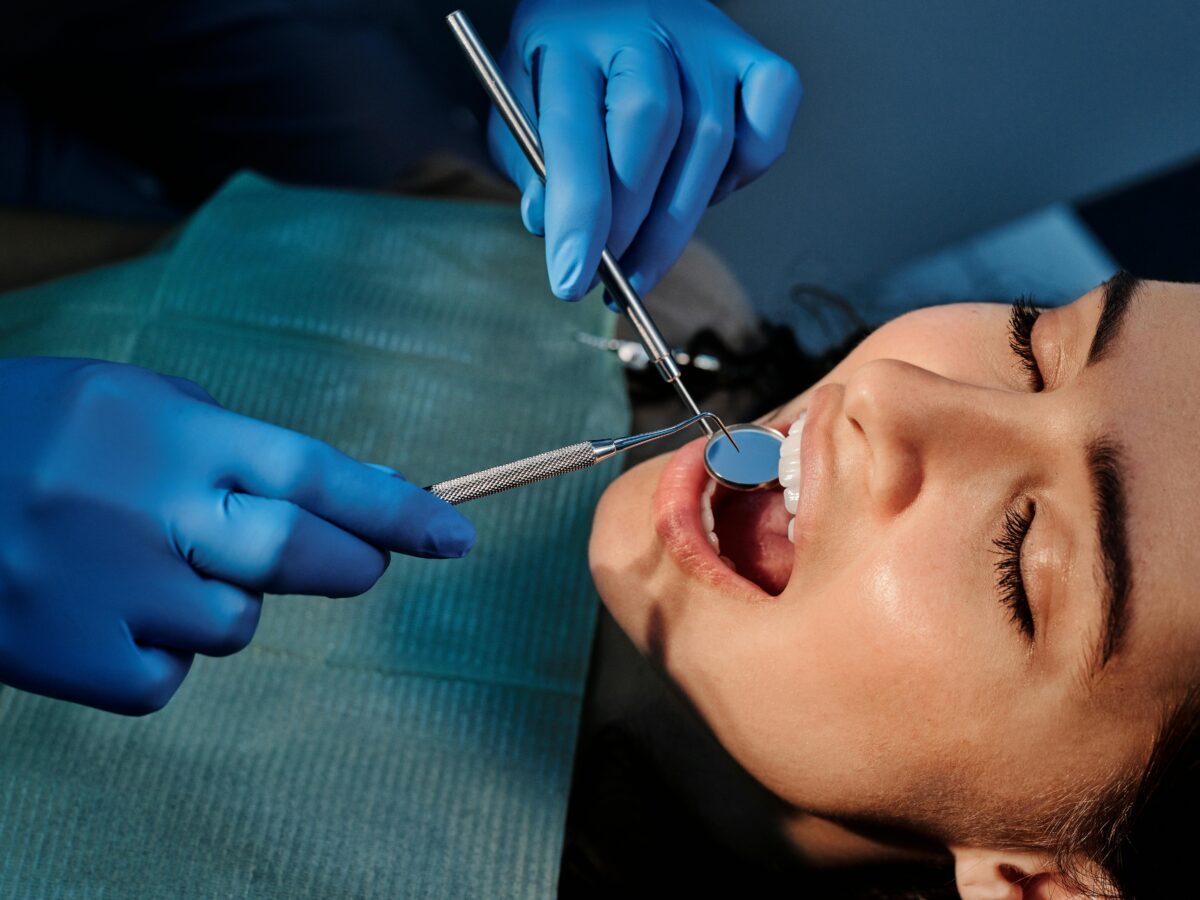
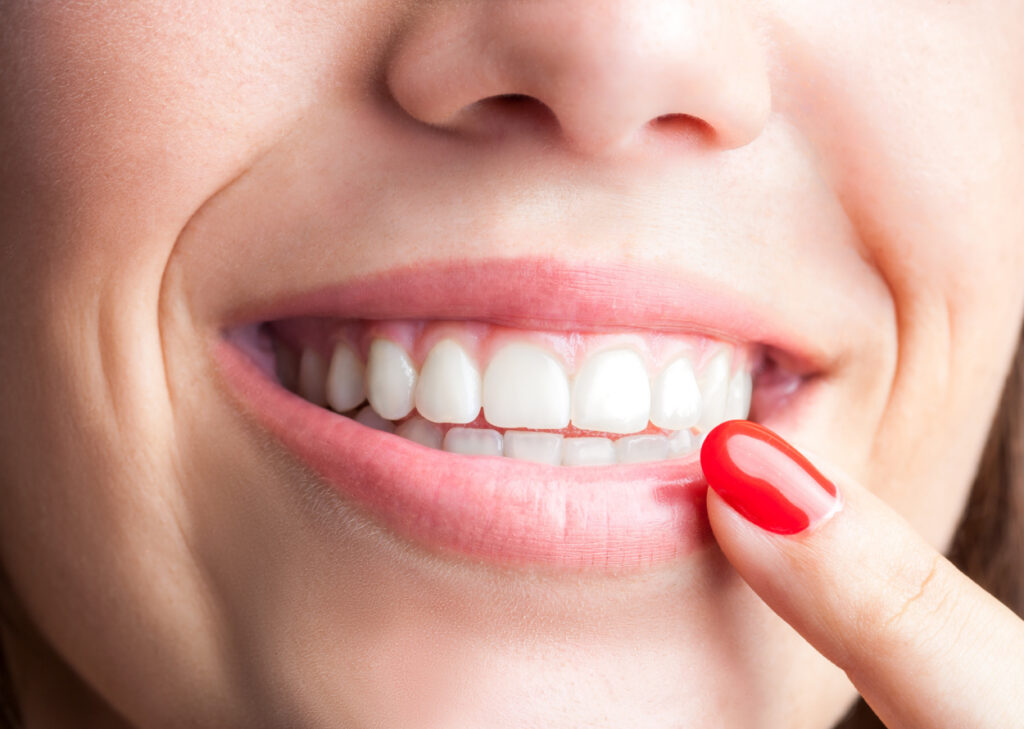
Starting Invisalign feels deceptively simple. The trays are clear, slim, and far less dramatic than metal braces. Many people leave the office thinking, "That was it?" Then the first evening arrives, the aligners click into place, and the reality sets in. Your mouth notices immediately. Not in a frightening way, usually, but in a very specific, persistent way. The first week is when you learn what the treatment actually asks of you.
That learning curve matters. Most of the questions patients ask about Invisalign are not really about the long-term result. They are about the first few days. Will it hurt? Will I talk funny? Can I drink coffee? Why do my teeth feel loose? What are these little bumps on my teeth? Is it normal to regret this a little on day two?
Yes, some of that is normal.
The first week is less about dramatic tooth movement and more about adaptation. Your teeth begin responding to force, your cheeks and tongue react to a new appliance, and your daily habits get reorganized around eating, brushing, and tray wear. If you know what is typical and what deserves a call to your dentist or orthodontist, the week goes much more smoothly.
The first appointment sets the tone
If you are beginning Invisalign with attachments, your first visit may be longer than expected. Those tooth-colored bumps, often called attachments, give the aligners something to grip so they can move teeth more precisely. Patients often expect the trays to feel like thin retainers. With attachments, they can feel more substantial, especially when removing them.
Some offices also place small metal buttons or hooks for elastics. Others perform a little enamel reshaping between certain teeth, called interproximal reduction, if the plan needs extra room. None of this is unusual. Still, it changes the first-week experience quite a bit.
The initial tray fitting usually feels snug, sometimes impressively snug. That is a good sign, assuming the trays are seated properly. A well-fitting aligner should wrap around the teeth with very little gap. Some pressure is expected from the start or within a few hours. The sensation is often described as soreness rather than pain, similar to the day after a workout. It tends to peak in the first day or two of a new tray, and in week one, you are feeling that pattern for the first time.
Most offices will tell you to wear Invisalign for about 20 to 22 hours a day. Patients hear that number, nod, and then discover how quickly mealtimes, coffee breaks, and distracted moments eat into the schedule. The first week is when compliance stops being theoretical.
The most common physical sensations
Pressure comes first. Then tenderness. Then a very particular awareness that your front teeth are there, even when you are not using them. Biting into something firm can feel strange. Taking the trays out may briefly increase sensitivity because the teeth have been under steady force. Putting them back in can create that tight squeeze again.
This is what many people notice during the first several days:
- A dull ache or soreness, especially when chewing
- Increased saliva for the first day or two
- Slight changes in speech, often a temporary lisp on certain sounds
- Tenderness where the tray edges touch the tongue or cheeks
- A feeling that some teeth are a little loose
That last point causes more anxiety than almost anything else. Teeth need to move through bone during orthodontic treatment. Slight mobility can happen. It is usually expected, particularly as treatment progresses. In the first week, the sensation may be more noticeable simply because you are paying close attention. "Loose" should not mean dramatically wobbly or painful to touch. It should mean a subtle give that your tongue picks up.
The soreness is often strongest when chewing. Soft foods help, not because chewing is dangerous, but because biting into a crusty sandwich or crunchy raw vegetables on day one can be far less pleasant than you anticipated. Patients who switch to soups, eggs, yogurt, pasta, rice, softer fruits, or fish for a couple of days usually have an easier start.
Speech changes are real, but usually brief. The trays occupy space your tongue is not used to, and the tongue is a creature of habit. Sounds like "s," "sh," and "z" may come out differently at first. Most people improve within a few days simply by talking more. Reading out loud in the car, at home, or during a walk often speeds the adjustment.
Eating becomes a scheduled event
One of the biggest surprises of the first week is not pain. It is logistics.
With braces, you can snack whenever you want, within reason. With Invisalign, every snack becomes a decision. Do you want to remove the trays, eat, rinse, brush if possible, and put them back in? If not, many people start eating fewer times a day without planning to. For some, that is a bonus. For others, especially grazers or coffee drinkers, it is a genuine lifestyle shift.
You must remove aligners before eating anything substantial. Water is generally fine with trays in. Plain cool or room-temperature water is the safest bet. Hot drinks can warp plastic, and sweetened or acidic beverages trapped under trays raise the risk of cavities and staining. I have seen very motivated patients stay incredibly faithful to wear time and still create avoidable trouble by sipping sweet iced coffee all morning with trays in. The aligners do not cancel out basic oral biology.
The first week teaches you to consolidate meals. Breakfast stretches into a short routine of remove, eat, clean, reinsert. Lunch becomes less casual. Dinner may take a bit longer because you are brushing more carefully than usual. If you eat out often, this is the week you discover whether you are comfortable removing trays discreetly in public or prefer a restroom mirror.
There is no glamour in fishing out a nearly invisible tray from a napkin at a restaurant because someone wrapped it by mistake. This happens more often than people expect. The first week is when good tray habits are born.
The removal struggle nobody warns you about enough
Putting aligners in is easy. Taking them out can feel absurdly difficult for the first few days, especially if you have attachments. New patients often panic because they think they are going to break the tray or pull out a tooth. Neither is likely when the aligners were made and seated correctly.
The trick is technique, not force. Many people do better lifting from the inside edge of the back molars first, then working around gradually rather than trying to peel the whole tray off from the front. Dry fingers help. A removal tool can help even more, especially for people with short nails or tighter trays.
Emotionally, this matters more than it sounds. If removing your aligners feels like a wrestling match every time, you may dread meals, delay eating, or become careless with reinsertion. By the third or fourth day, most patients develop a method and the process becomes routine. Until then, expect a little awkwardness.
There is also a strange sensory moment that catches people off guard. Once the trays are out, the attachments feel rough and prominent. Your teeth may suddenly seem jagged, even though nothing is wrong. That roughness is often more bothersome to the tongue than the aligners themselves. Most people adapt quickly, but the first couple of days can feel odd enough that you keep running your tongue over everything.
Why your bite may feel "off"
Patients sometimes worry during the first week because their teeth do not come together the way they used to. This can happen for a few reasons. The trays create a layer of plastic between the upper and lower teeth. If you wear them nearly all day, your muscles and bite temporarily adapt to that new thickness. Certain teeth may also begin moving before others, producing a fleeting unevenness.
This does not mean the treatment is derailing. In fact, as teeth start shifting, the bite often changes in stages. Orthodontic treatment is not a straight line from crooked to perfect. It is a controlled sequence of temporary imbalances that moves toward a healthier final position.
That said, there is a difference between "off" and unworkable. A mild, temporary change in how your teeth meet is common. A tray that clearly does not fit, rocks noticeably, refuses to seat fully, or creates sharp pain in one area deserves attention from your provider.
Cleaning takes more discipline than most people expect
The first week with Invisalign is when oral hygiene stops being optional and becomes part of the treatment itself. The trays cover the teeth for most of the day. If plaque, food debris, or sugary residue is sitting there too, you have created a warm little chamber for bad breath and decalcification.
You do not need a complicated kit, but you do need consistency. A soft toothbrush, fluoride toothpaste, floss, and a way to rinse or clean the trays is enough for most people. Some use cleaning crystals or denture-type cleaners approved by their office. Others do fine with gentle brushing and lukewarm water. Hot water is a bad idea because it can distort the aligners.
The first week often reveals gaps in routine. Maybe you brush well at home but not after lunch. Maybe you floss "most nights" but not all. Invisalign tends to expose these habits quickly because trapped debris feels unpleasant fast. If your trays start smelling stale by day three, that is not a tray problem. It is a cleaning problem.
Coffee and tea deserve special mention. Many adults beginning Invisalign are not worried about speech or soreness. They are worried about caffeine. The practical answer is simple but not always convenient. Remove the trays for coffee if it is hot or sweetened. If you are taking a quick iced coffee and can rinse before reinserting, some people manage that cautiously, but repeated sugary or acidic sipping with trays in is hard on enamel. During the first week, it is often easier to become a more intentional coffee drinker than to keep negotiating exceptions.
The emotional side of week one
Almost nobody talks enough about the psychological adjustment. The first week can be irritating in a low-grade, all-day way. You are aware of the trays. You are planning around them. You are brushing your teeth in places you never expected to brush your teeth. Your mouth feels busy.
This does not mean you made the wrong choice.
Day two is notoriously dramatic. The novelty has worn off, soreness may have peaked, and the routines still feel clunky. By day five or six, most patients find that large parts of the day pass without thinking about the aligners much at all. The body adapts faster than the imagination predicts.
Adults in professional settings often worry about visible changes. In reality, Invisalign is far less noticeable than patients fear. Attachments can catch the light at very close range, and speech may https://andyfxfe824.nexorafield.com/posts/invisalign-for-seniors-it-s-never-too-late-to-straighten-teeth sound slightly different to you, but coworkers and clients usually notice far less than the wearer does. One patient once described the experience perfectly: "I spent three days feeling like I had a neon sign in my mouth, and nobody at work realized I had started treatment until I mentioned it."
That is common.
A few things that genuinely help
The internet is full of elaborate Invisalign hacks. Some are useful, some are overkill, and some create more trouble than they solve. In the first week, the basics work best.
- Start each new tray at night if your provider approves, so you sleep through the first several hours of tightness
- Keep a travel toothbrush, toothpaste, and floss with you, because missed cleaning windows happen
- Use chewies or seaters if your office recommends them, especially if the tray needs help fitting snugly
- Choose softer foods for the first couple of days instead of testing your pain tolerance
- Track wear time honestly, because "close enough" adds up fast
The "new tray at night" advice is especially practical. You are less aware of the initial pressure while asleep, and many patients wake up with that first wave already behind them. It does not eliminate soreness, but it often makes the transition smoother.
If your provider gave you chewies, use them as directed. These small, soft cylinders help seat the aligners fully, which matters for tracking. A tray that is almost on is not the same as a tray that is fully seated. In the first week, this distinction can be hard to see without guidance.
What is normal, and what deserves a phone call
Some discomfort is expected. Certain problems are not.
A little pressure, minor speech changes, and temporary irritation where the tray rubs are part of the adjustment period. Small edge roughness can sometimes be managed with orthodontic wax or, if your provider specifically advises it, very cautious smoothing. But there are limits to what you should manage on your own.
Call your dentist or orthodontist if you notice any of the following:
- A tray that will not seat despite repeated attempts and proper technique
- Sharp plastic edges cutting the gums or tongue enough to cause persistent sores
- Severe pain that is not improving or feels concentrated in one tooth
- A lost or cracked aligner, especially early in the tray interval
- Signs of infection, swelling, or gum bleeding that seems unusual for you
Providers would generally rather answer an early question than fix a preventable setback later. The first week is not the time to guess your way through a tray that obviously does not fit.
Attachments, elastics, and other variables that can change the experience
Not every Invisalign start feels the same. A person doing minor front-tooth alignment without attachments may describe the first week as mildly annoying. A person correcting a deeper bite, crowding, or more complex movement with multiple attachments and elastics may have a much steeper start.
Attachments increase grip, which is good for tooth movement and less pleasant for tray removal. Elastics add force and complexity, but they can be essential to how the bite changes. If you have them, the learning curve includes not just wearing trays but managing hooks, changing bands, and speaking with more hardware in place.
Some patients also switch trays every week, while others change every 10 to 14 days. That schedule depends on the treatment plan and the provider's judgment. The key in week one is not comparing your experience too closely to someone else's online. Two people can both be doing Invisalign and have very different first-week realities.
Sleep, clenching, and morning soreness
Nighttime can amplify symptoms in ways people do not anticipate. If you clench or grind, even mildly, the first week may leave your jaw feeling more fatigued in the morning. The trays can make you more aware of parafunctional habits because they introduce a new sensation between the teeth. Some people feel better wearing the aligners at night because they cushion contact a little. Others notice they have been biting down on the plastic.
Morning tightness is common, especially if the trays have been in continuously overnight. That does not usually signal a problem. In fact, a tray that feels snug in the morning is often just doing its job. Gentle jaw movement after waking, hydration, and getting into your normal routine usually settles it.
If you have a history of TMJ symptoms, tell your provider before or during the first week if anything seems to flare. Invisalign can work well for many patients with jaw issues, but those cases benefit from closer monitoring and realistic expectations.
The first week is mostly about habit formation
By the end of the first week, the most important change is not in your teeth. It is in your routine.
You begin to notice how long meals actually take. You learn whether you need cleaning supplies in your car, work bag, or desk drawer. You find out if you are the kind of patient who can keep trays in a case every single time or the kind who will absolutely lose them in a paper napkin unless you become disciplined immediately.
This is also when treatment becomes credible. At the start, Invisalign can feel almost too subtle to work. Then you experience the pressure, the snug fit, the tenderness, the attachments, the altered bite, and the constant wear schedule. You understand very quickly that the appliance may be discreet, but the treatment is real.
That is usually the turning point. Patients stop asking whether Invisalign is "doing anything" and start asking how to do it well.
If your first week feels awkward, inconvenient, and slightly more intense than you expected, you are in good company. Most people settle in faster than they think. The mouth adapts. Speech normalizes. Removing trays becomes second nature. Meals get more efficient. What feels intrusive on day one often becomes background by the second week.
And that is exactly what you want. Invisalign works best when it becomes part of life, not the center of it.
Omni Dental Specialty
Address: 1690 E Gonzales Rd, Oxnard, CA 93036
Phone number: +18053666000
FAQ About Invisalign
How much does Invisalign actually cost?
The out-of-pocket cost for Invisalign typically ranges between $3,000 and $8,000, with most patients paying a national average of roughly $5,100 to $5,700 before insurance.
What is the downside to Invisalign?
The biggest downsides to Invisalign are the intense discipline required to wear the trays 22 hours a day, the inconvenience of removing them to eat or drink, and the inability to fix severe, complex orthodontic issues.
Is $5000 a lot for Invisalign?
No, $5,000 is not considered a lot for Invisalign; it is exactly the national average. Treatment costs typically fall between $3,000 and $8,000, and $5,000 is the standard fee for a moderately complex case that takes 6 to 18 months to complete.